
Planning your safari
Is a Kenya Safari Safe?
An honest look at safety on a Kenya safari and in Nairobi — the real risks, the simple precautions, and why guided safari areas are among the safest places you’ll go.
Start here
The straight answer
In shortKenya is safe for the vast majority of visitors. The safari areas are professionally managed and among the safest places you’ll go; the everyday risks are petty crime in the city, road accidents and malaria, all easily managed. The regions that appear in travel advisories are remote border areas that no safari itinerary goes near.
Safety is the first question many people ask, and it deserves a straight answer — neither scaremongering nor glossing over. So here it is, plainly.
Millions of visitors travel through Nairobi, the Maasai Mara and Amboseli every year without incident. The danger zones in official advisories are almost entirely along the remote north-eastern border with Somalia — nowhere a safari or a Nairobi city break would take you. The rest of this guide covers what genuinely matters: the wildlife rules, staying street-wise in the city, and the health and road basics.
The big picture
How safe is a safari, really?
Very — and the reasons why are worth understanding, because they also point to the one decision that matters most.
A guided Kenya safari is very safe. The country’s safari regions — the Maasai Mara, Amboseli, Nairobi National Park — are patrolled by the Kenya Wildlife Service, conservancy rangers and tourism police, and the operators running them depend entirely on your safety and satisfaction. The major government advisories, from the US, the UK and Australia, all follow the same pattern: “exercise increased caution” for the country as a whole, the same rating as many popular holiday destinations, with hard “do not travel” restrictions limited to a handful of border counties that no tourist itinerary includes.
Book with a licensed operator — for example, one registered with KATO, the Kenya Association of Tour Operators. Established operators vet their guides and vehicles, carry communication equipment, and follow proper emergency protocols. Avoid street brokers and deals that look too cheap to be true; the saving is rarely worth the risk. We’re a licensed Kenyan operator, and your safety is built into how we run every trip.
Around the animals
Wildlife & game-drive safety
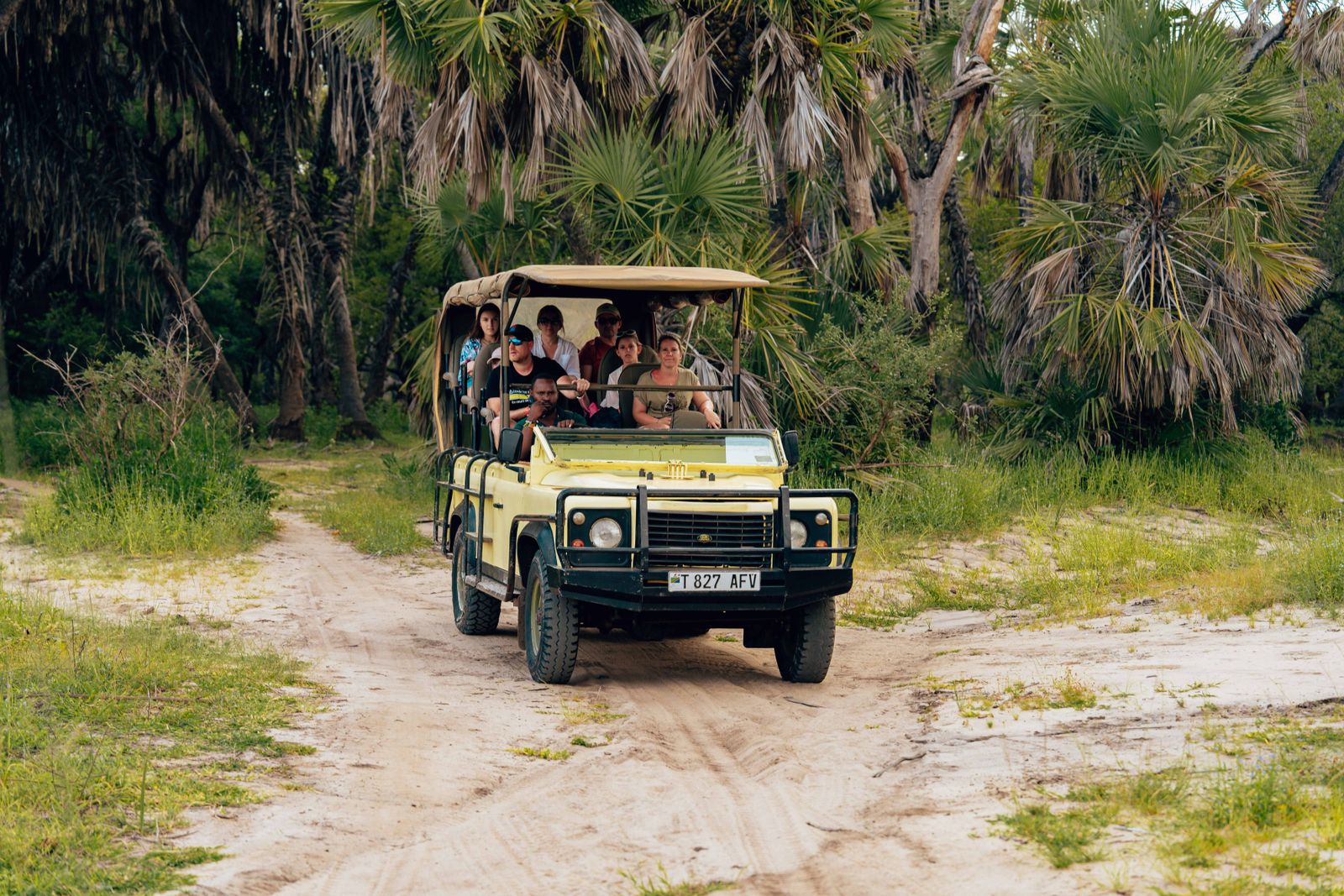
The animals are genuinely wild, and the rules exist for good reason. Your guide briefs you before you set off; this is the essence.
- Stay inside the vehicle unless your guide tells you it’s safe to step out — the single most important rule on any drive.
- Keep arms and head inside; don’t lean out or sit on the roof for photographs.
- Keep noise down, and never feed the animals or try to attract them.
- Follow your guide without exception — they read wildlife for a living and know the warning signs.
- Never walk alone in a wildlife area.
- Be out by dusk. Night driving isn’t permitted in Nairobi National Park, and you should be clear of a gate before dark.
In the city
Staying safe in Nairobi
Nairobi is a big, lively capital where the main risk is opportunistic petty crime — the kind that a little common sense designs out. Tap through.
Stick to the tourist-friendly areas and you’ll find Nairobi welcoming.
- Hotels, malls and the main tourist zones have strong, visible security.
- Avoid walking alone after dark; take a taxi even for short hops at night.
- Dress modestly and keep a low profile in busy public spaces.
How you move around matters more than almost anything else.
- Use Uber or Bolt — they’re GPS-tracked, licensed and priced up front.
- Better still, use your operator’s arranged transfers, as we provide throughout.
- Avoid unlicensed street taxis and hailing cars off the street.
Opportunistic theft is the main risk, and it’s easily designed out.
- Don’t display cash, jewellery or expensive cameras in the CBD or markets.
- Carry only what you need and leave the rest in the hotel safe.
- Keep a copy of your passport, and use ATMs inside banks or malls.
Occasional demonstrations happen in the city; they’re simply avoided.
- Protests are confined to certain parts of the city centre and are best steered clear of.
- Check local news for planned protest dates before heading into town.
- If you’re ever caught near one, keep vehicle doors locked and move away calmly.
The practical basics
Health, roads & insurance
Beyond wildlife and the city, these are the everyday things worth squaring away before you travel.
Malaria prevention is advised for most safari areas. See a travel clinic six to eight weeks before you fly, and pack repellent and high-factor sun cream.
Kenya’s roads vary in quality, so it’s far safer to leave the driving to an experienced operator than to self-drive between the parks.
Take comprehensive travel and medical-evacuation cover — a safari is a significant prepayment worth protecting. AMREF Flying Doctors also offers a visitor evacuation membership.
Kenya’s national emergency number is 999 (you can also dial 112), and tourism police operate across the main visitor areas.
Let’s plan it
Plan a safe, easy safari
The simplest way to travel safely is to let a licensed operator handle the details. Tell us your plans and we’ll take care of the transport, the park entry and the guiding — you just enjoy it. We’ll reply personally, usually within hours.
Frequently asked questions
Safety FAQs
The overall picture
Yes, for the vast majority. The safari areas and main tourist zones are safe and well managed; the everyday risks are petty crime, road accidents and malaria, all easily managed. The regions in travel advisories are remote border areas far from any safari route.
The US, UK and Australian advisories rate Kenya “exercise increased caution” overall, the same as many popular destinations, with hard “do not travel” restrictions limited to specific counties near the Somali border — none of which is on a tourist itinerary.
Yes, with normal city precautions. The main risk is opportunistic petty crime, not violence against visitors. Keep valuables out of sight, use Uber, Bolt or arranged transfers, and stick to tourist-friendly areas.
On safari
Not when you follow the rules. The most important is to stay in the vehicle unless your guide says otherwise. Guides brief you before each drive and know how to read the animals.
Very rarely. Wildlife generally ignores a calm, quiet vehicle. Problems almost always come from people getting out, standing up, or making sudden noise — which is exactly what the rules prevent.
Only on organised walking safaris with an armed ranger and guide, offered in some conservancies. Never walk alone in a wildlife area.
Health & practical
Malaria prevention is advised for most safari areas. Speak to a travel clinic six to eight weeks before you fly for advice suited to you.
Yes — comprehensive travel and medical-evacuation cover is strongly recommended. A safari is a significant prepayment, and evacuation from a remote area can be costly without it.
Stick to bottled or filtered water, which is cheap and available everywhere. It’s a simple way to avoid an upset stomach on your trip.
Dial 999, or 112, for emergencies. Tourism police operate in the main visitor areas, and your guide or operator is your first point of contact on a trip.
Booking
Book only with established, licensed operators — for example, KATO members — and check independent reviews. Avoid street brokers and deals that seem too cheap to be true.
For most visitors, yes. A licensed operator handles transport, park entry and safety, uses well-maintained vehicles with communication equipment, and knows the ground — which removes most of the everyday risks. Get in touch →
Safe hands, wild places
Kenya rewards the traveller who plans sensibly and books well. Get those two things right — and let a licensed operator handle the rest — and you’re free to simply enjoy one of the world’s great wildlife destinations. Tell us your plans and we’ll take care of the details.
More planning: what to bring, getting there, or your eTA & entry. Back to safari planning.